International Workshop on Identifying Gene Editing Targets for Rice Improvement in Vietnam
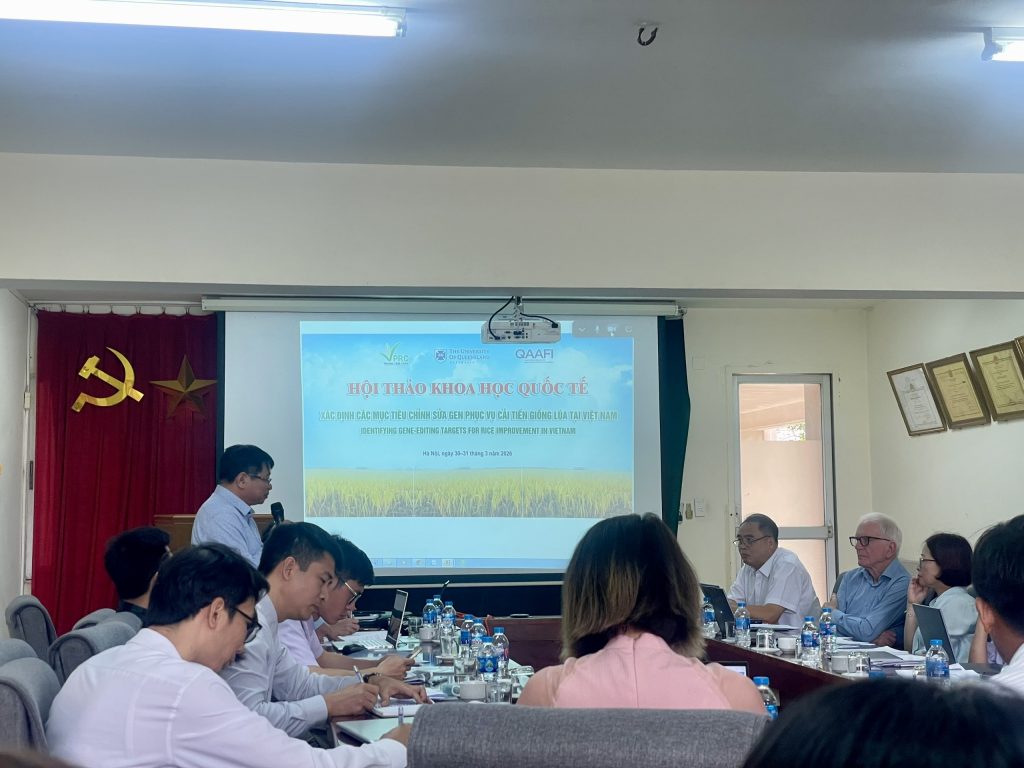
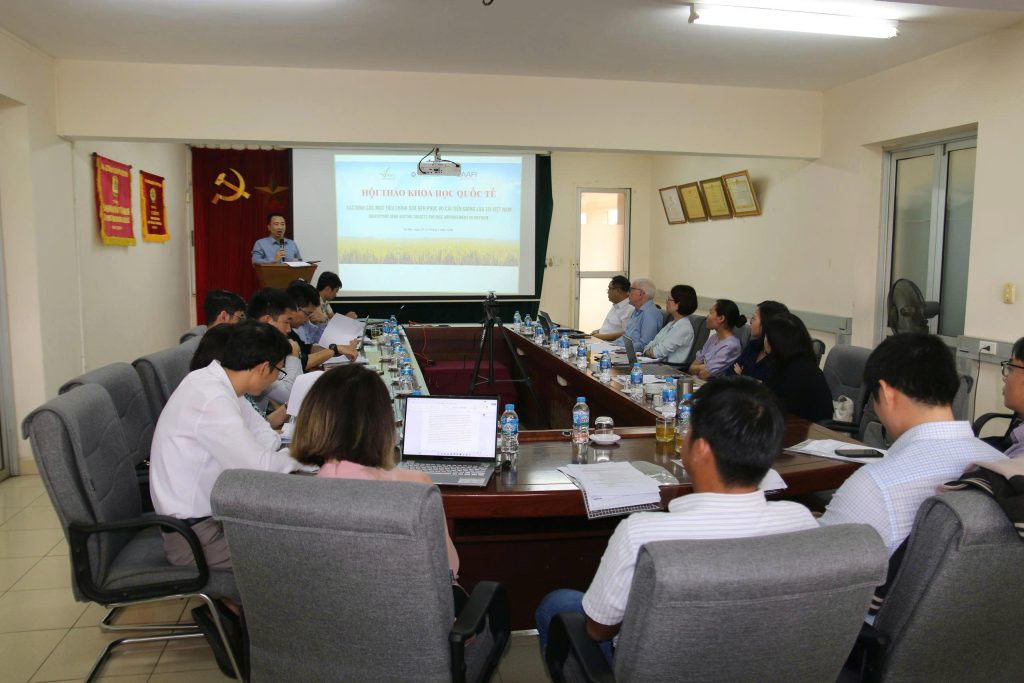
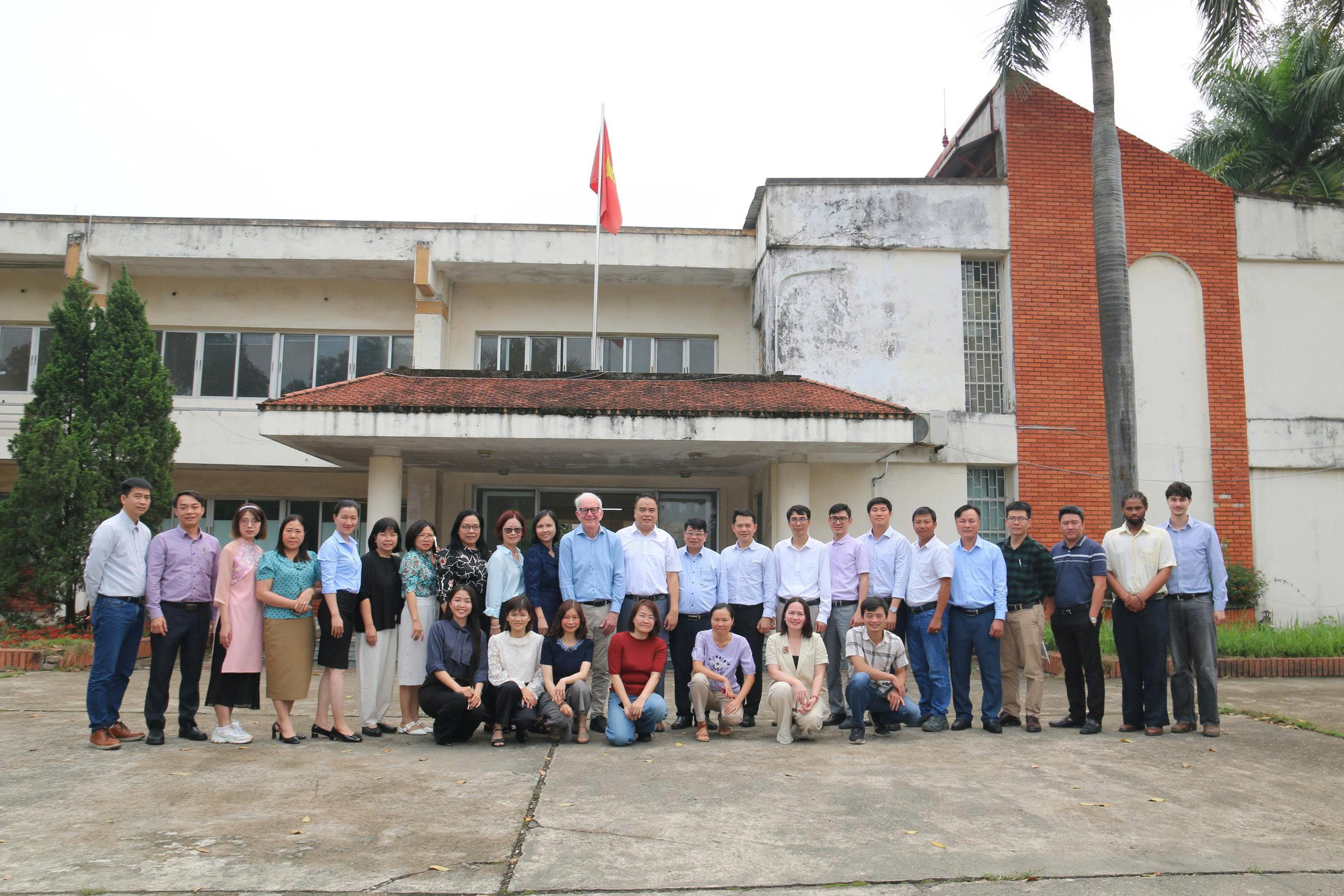
On March 30, 2026, the Plant Resources Center (PRC) hosted the international workshop titled “Identification of Gene Editing Targets for Rice Improvement in Vietnam,” in collaboration with the Queensland Alliance for Agriculture and Food Innovation (QAAFI), The University of Queensland (Australia). The event contributes to the implementation of Resolution No. 57-NQ/TW on advancing science, technology, innovation, and digital transformation, in which biotechnology and gene editing are identified as strategic priorities.
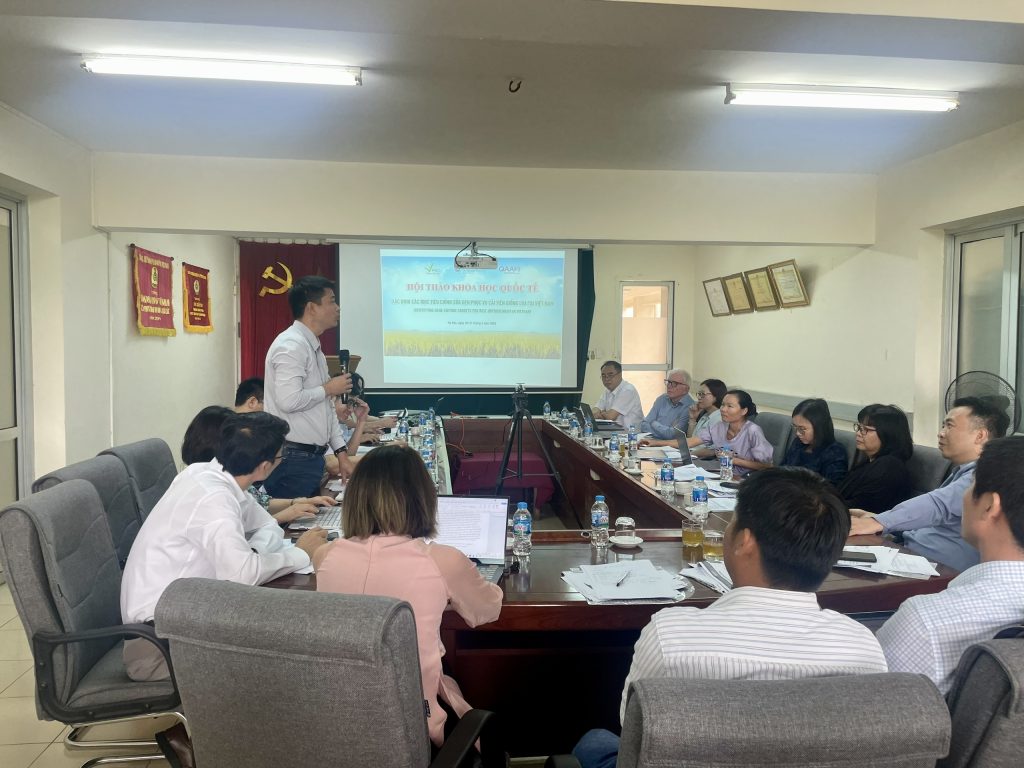
The workshop brought together a wide range of national and international experts from QAAFI-UQ, IRRI, VinUniversity, USTH, research institutes, universities, and regulatory agencies. In his opening remarks, Dr. Pham Hung Cuong highlighted the significant potential of Vietnam’s rice genetic resources and emphasized the role of gene editing technologies in improving key traits such as salinity tolerance, drought tolerance, disease resistance, and grain quality.
At the workshop, Professor Robert Henry presented research directions for applying gene editing in rice improvement, proposing an integrated approach that combines conventional breeding with advanced technologies, focusing on traits with clear field-level impact. Dr. To Thi Mai Huong introduced research on genome-wide association studies (GWAS) of root traits in Vietnamese rice germplasm, contributing to the identification of genes associated with environmental adaptation and stress tolerance.
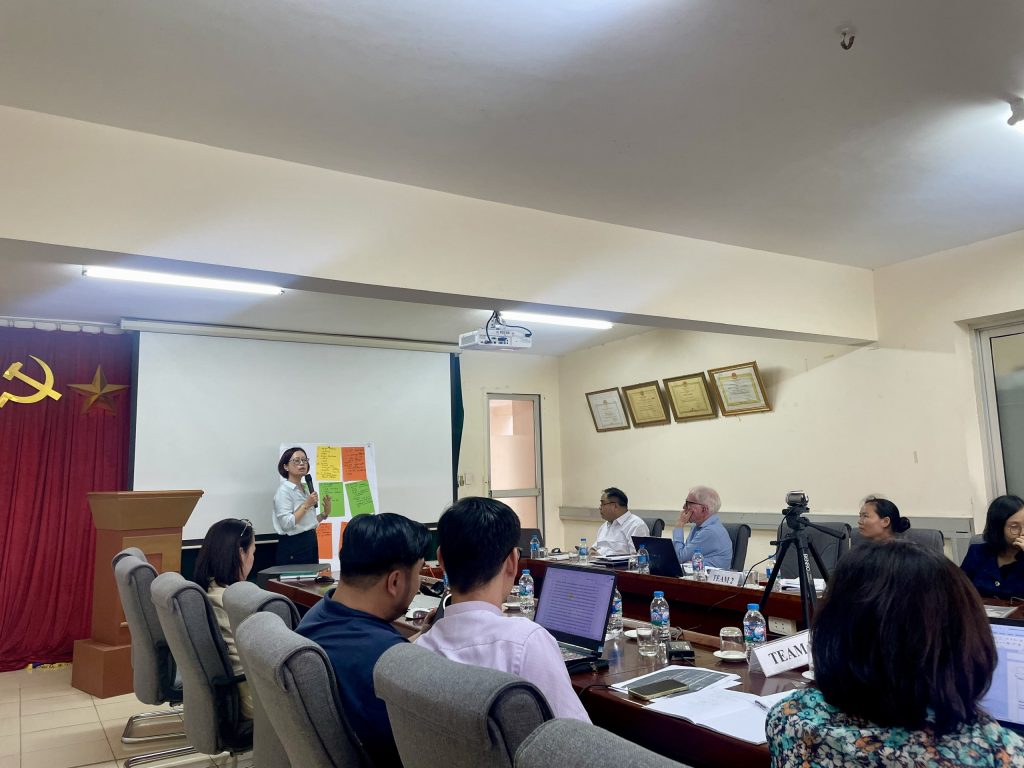
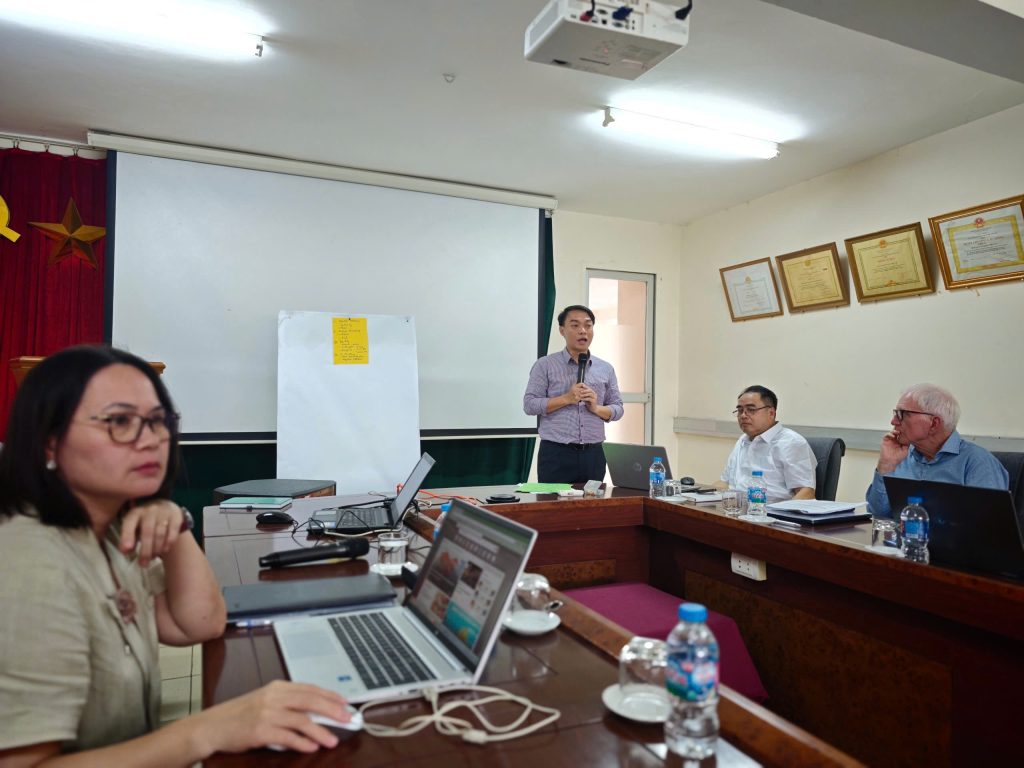
The discussion sessions focused on identifying priority trait groups (environmental adaptation and economic value), developing genomic data strategies (GWAS and whole-genome sequencing), and proposing the establishment of a shared data platform. Several rice varieties, including OM18, ST25, Khang Dan 18, BT7, as well as pigmented and glutinous rice varieties, were proposed as target materials, with a preference for public varieties to minimize intellectual property risks.
The workshop also addressed regulatory aspects of gene editing technologies, highlighting the need to refine legal frameworks and biosafety assessment procedures to facilitate research and application.
Notably, participants agreed on the proposal to implement a large-scale sequencing project of 1,001 Vietnamese rice accessions to establish a comprehensive genomic database supporting future research and breeding efforts.
The workshop concluded with initial consensus on priority traits, potential gene targets, and a collaborative research roadmap for the 2026–2028 period. The event was considered a success, contributing to strengthened international collaboration and enhanced research capacity in plant biotechnology.
Event highlights: